

Car trouble can throw a wrench into anyone’s day, and one of the more frustrating issues drivers deal with, especially in warmer places like Galveston, is an overheating engine. It usually strikes when you least expect it, like during stop-and-go traffic on a warm afternoon or while you're cruising across Seawall Boulevard with the AC blasting. It’s the kind of problem that needs quick thinking, and knowing what to do in those first few minutes can make a huge difference.
When your engine overheats, acting fast can keep an inconvenience from turning into a serious repair bill. The good news is that most overheating issues come with early warning signs if you know what to look for. Whether you're behind the wheel of an older model or taking care of one of the many used cars in Galveston, a little preparation can save you a lot of stress.
Recognize the Signs of Overheating
Every vehicle sends signals when something’s not right, and overheating is no different. The key is to catch those signs soon enough so you can react calmly and prevent serious damage.
Look out for these warning signs that your engine temperature is getting too high:
1. The temperature gauge climbs into the red zone.
2. Steam starts rising from under the hood.
3. You smell something hot or burning inside or outside the car.
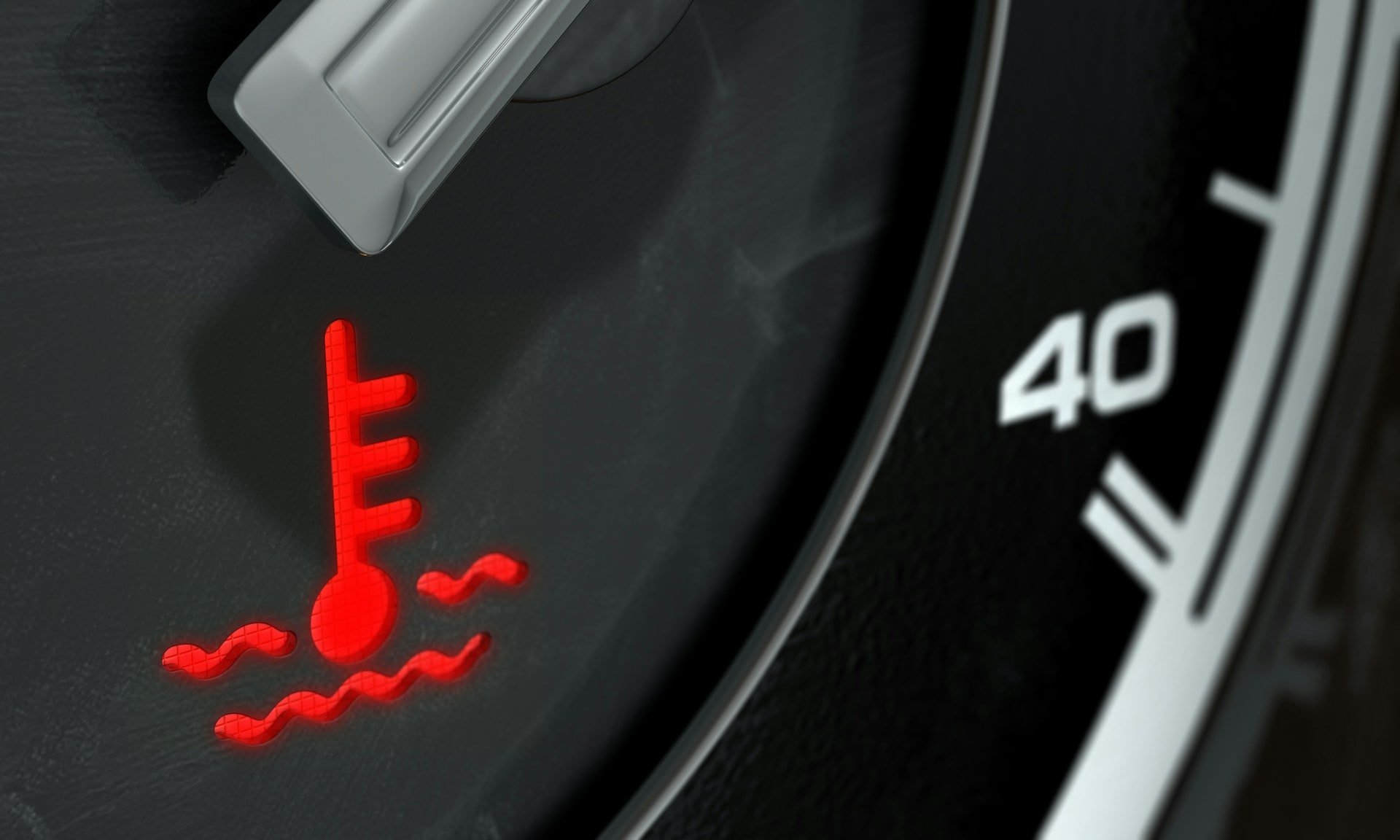
4. A warning light or message appears on your dashboard related to engine temperature or coolant levels.
Some modern cars will flash a dashboard message, while older vehicles might just show a rising temperature needle. If you see steam, your engine is already dangerously hot and you need to take action fast.
Start by turning off the AC to reduce strain on the engine. Yes, it’ll be warm inside the cabin, but this is a key move. Then, turn your heater on full blast. It sounds backward, but doing this channels heat away from the engine and into the passenger area, helping it cool quicker. It won’t fix the problem, but it may buy you enough time to pull over safely.
Safely Pull Over
Once your car starts throwing off those warning signs, don’t keep driving. The longer you wait, the higher the risk of big engine damage. Your first job is to find a place to pull over that’s safe but quick to reach.
If you're on a busy road, signal early and slowly make your way to the shoulder or into a nearby lot. Be cautious. Don’t cut across lanes or hit the brakes hard—getting off the road safely is more important than getting there fast.
When you’re stopped:
1. Shift into park and turn the engine off.
2. Keep the hood closed at first. Let the engine cool for at least 15 to 30 minutes.
3. When the steam stops, gently lift the hood partway to help heat escape. Don’t swing it wide open immediately.
4. Stay inside the car if it's hot outside, unless it’s clearly safe to step out.
If you're far from town and don't have good phone service, it's better to stick close to your vehicle. Help might take a while, and you’ll need to be there when it arrives or in case your car starts back up.
If this isn't the first time you've had overheating issues, don’t ignore it. Repeat problems usually mean something more serious is going on, and that takes a proper diagnosis.
Initial Checks and Troubleshooting
Once your vehicle has cooled down enough and you’re safely off the road, there are a few basic checks you can do to understand what’s happening. Be careful. Hot engine parts or built-up pressure can be dangerous if handled too soon.
Restart your car and look at the temperature gauge. If it’s still high or climbing right after ignition, turn it off and don’t push your luck. It’s safer to wait for assistance than risk more damage.
If it's safe, take a look under the hood. Focus on visual signs instead of touching anything:
- Check underneath the car for puddles or drips. Coolant leaks often show up as bright green, orange, or pink liquids.
- Look over the radiator hoses. Are they cracked or loose?
- Look near the radiator or water pump for any signs of wetness or leaks.
An empty or nearly empty coolant tank is a likely culprit, but wait until the engine is completely cool before opening anything. Never remove the radiator cap while the engine is hot. Doing so can cause pressurized steam or liquid to shoot out, putting you at risk of serious burns.
Lots of drivers in Galveston carry a jug of coolant or extra water in their trunk just in case. Although that’s helpful, most overheating issues go deeper than just refilling the tank. Things like a broken thermostat, lousy fan, or faulty water pump can all lead to overheating, and you won’t know for sure without a thorough inspection.
When to Call for Professional Help
Sometimes overheating issues seem like a one-time thing, but don’t let your guard down. Just cooling your car and getting it back on the road doesn’t mean the problem is solved. In many cases, the real problem shows up later when it gets worse.
You should contact a professional mechanic when:
- You’ve added coolant but the engine still overheats.
- You see cracks or damage under the hood.
- This has happened more than once.
- The car takes a long time to cool down or overheats again soon after starting.
- You hear noises like grinding, knocking, or clanking from the engine area.
Whether it's a minor repair or something more involved, it takes proper tools and trained eyes to really fix it. Getting stranded on a hot Galveston day—especially with kids or other passengers—is no fun. It’s safer and smarter to get help from someone who does this every day rather than trying to guess your way through the issue.
At Classic Auto Group Galveston, our team is here to help you figure out exactly what’s going on and get your vehicle safely back on the road.
Keep Your Cool in Galveston
Getting stuck with an overheating car isn’t something anyone plans for, especially in a place like Galveston where the heat can stick around for months. But knowing how to spot the problem, react calmly, and understand when to call in help can make a big impact.
From steam under the hood to a rising temperature needle, small signs can point to big problems coming down the road. Reacting early, staying safe during a pull-off, and getting your car checked out by people who know what they're doing is the best way to keep driving with peace of mind.
If you’re looking after one of the many used cars in Galveston, keeping up with regular checkups goes a long way in avoiding trouble like this. Don’t wait until the warning lights come on. A little care now can help you steer clear of overheating surprises later.
Protecting your car from overheating can be a challenge with Galveston's heat. Whether you're running errands or heading out for a beachside drive, keeping your vehicle running smoothly matters year-round. If you're searching for a dependable ride that’s built to handle the local climate, take a look at our used cars in Galveston. At Classic Auto Group Galveston, we make sure our vehicles are road-ready so you can stay cool and confident behind the wheel.